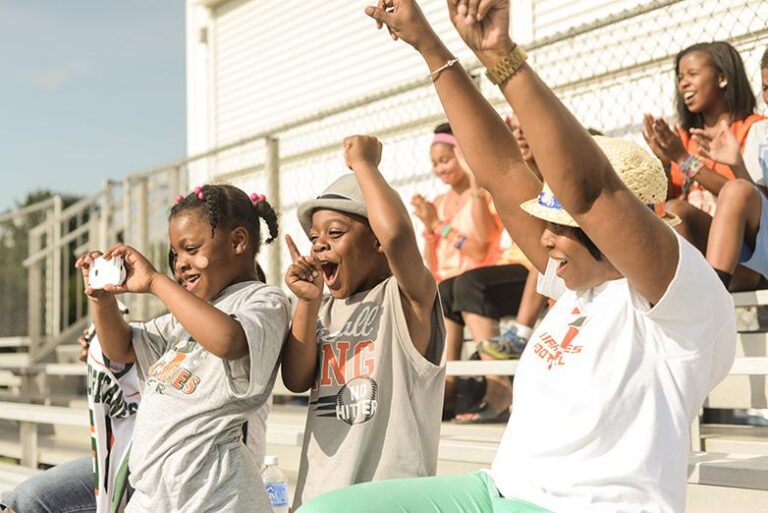
Why Sports Matter So Much When Kids Are Young
Youth sports give children much more than physical activity. They help build confidence, resilience, teamwork, responsibility, friendships, and healthy habits that can last a lifetime.
When kids are young, sports are about much more than learning how to throw a ball, score a goal, or win a game. They give children a place to move, grow, make friends, face challenges, and discover what they are capable of.
For parents, it can be easy to focus on performance. Is my child improving? Are they getting enough playing time? Are they on the right team? But especially in the early years, the biggest benefits of sports often have very little to do with the scoreboard.
Sports Help Kids Build Healthy Habits Early
Young children are naturally active, but organized sports give that energy structure. Practices and games help kids learn that movement can be part of everyday life, not something they only do because an adult tells them to exercise.
Running, jumping, throwing, catching, balancing, and changing direction all help develop coordination and body awareness. Those basic movement skills can carry over into many other activities as children grow.
More importantly, kids who associate physical activity with fun, friendships, and positive experiences may be more likely to stay active later in life.
They Learn How to Be Part of a Team
For many children, sports are one of their first experiences being part of a group where everyone has a role.
They learn to listen to a coach, wait their turn, encourage teammates, follow rules, and understand that sometimes the team needs something different from what they personally want.
Those lessons do not stay on the field. They show up in school, friendships, family life, and eventually the workplace.
Sports Give Kids a Safe Place to Struggle
One of the most valuable things about youth sports is that they give children opportunities to fail in small, manageable ways.
They might drop a pass, miss a shot, lose a game, sit on the bench, or have a practice where nothing seems to go right. Those moments can be frustrating, but they also create opportunities to learn resilience.
Kids begin to understand that making a mistake does not mean they should quit. They can try again, practice, improve, and come back the next day.
That ability to recover from disappointment is one of the most important skills a child can develop.
They Build Confidence Through Effort
Confidence is not just hearing “good job.” Real confidence grows when children see themselves improve because they worked at something.
A child who could not catch consistently at the beginning of the season may suddenly make a difficult catch during a game. Another child may finally remember a play they struggled with for weeks.
Those moments teach kids an important lesson: effort can change what they are able to do.
That kind of confidence is deeper than simply being told they are talented.
Sports Create Friendships and Belonging
Not every child immediately feels comfortable in a classroom or social setting. Sports can give kids another place to belong.
Teammates spend time practicing together, celebrating together, and working through difficult moments together. Those shared experiences can create friendships that might never have formed otherwise.
For some children, simply putting on the same uniform and being part of a team can give them a strong sense of identity and community.
They Learn Respect and Responsibility
Youth sports also give children regular opportunities to practice responsibility.
They have to show up on time. They have to bring their equipment. They have to listen. They have to respect coaches, officials, teammates, and opponents.
Of course, young kids will not do all of this perfectly. That is exactly why these environments are valuable. Sports give adults repeated chances to teach those habits in real situations.
Winning Should Not Be the Main Goal
Competition is part of sports, and learning how to compete can be healthy. Kids should be allowed to care about winning.
But when children are young, winning should not become more important than development.
A successful youth sports experience is not only measured by trophies or records. It can also be measured by whether a child became more confident, learned to handle disappointment, made friends, improved a skill, became more responsible, or simply discovered that they love being active.
The Parent’s Role Matters Too
Parents have a major influence on what children take away from sports.
When adults constantly focus on statistics, playing time, mistakes, or winning, kids can begin to feel that their performance determines whether the experience was worthwhile.
Instead, parents can ask questions like:
- Did you have fun?
- What did you learn today?
- What was something you did better than last time?
- How did you help your team?
- What do you want to work on next?
Those questions shift the conversation from pressure to growth.
The Bigger Picture
Most young athletes will not become professional athletes. That does not make youth sports any less valuable.
The real return can be a healthier child, a more confident child, a better teammate, a stronger friend, and a young person who knows how to keep going when something is difficult.
That is why sports matter so much when kids are young. The games eventually end, but the lessons can stay with them for the rest of their lives.
Jump to
- Sports Help Kids Build Healthy Habits Early
- They Learn How to Be Part of a Team
- Sports Give Kids a Safe Place to Struggle
- They Build Confidence Through Effort
- Sports Create Friendships and Belonging
- They Learn Respect and Responsibility
- Winning Should Not Be the Main Goal
- The Parent’s Role Matters Too
- The Bigger Picture
More from Spring Tackle
When Your Child Plays Backup